
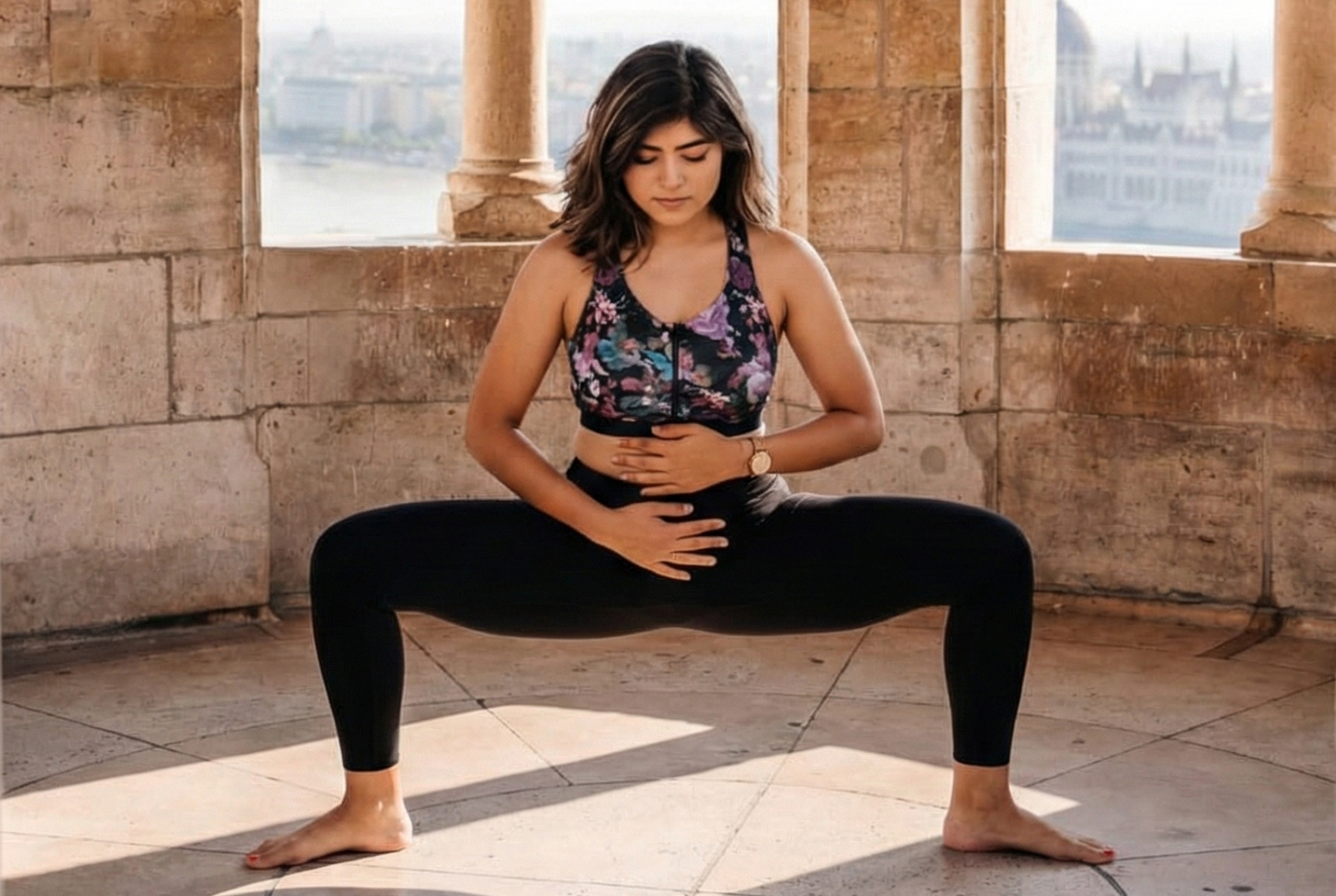
Understanding the Pelvic Floor
The pelvic floor is a group of muscles located at the base of the pelvis. These muscles support internal organs, assist in posture, and work closely with the core and breath. Despite their importance, pelvic floor muscles are often ignored until discomfort or dysfunction appears.
A healthy pelvic floor is not just about strength. It is about balance, coordination, and the ability to both engage and relax these muscles when needed.
Why Pelvic Floor Health Is Often Overlooked
Many women are not taught about pelvic floor health unless they experience pregnancy, childbirth, or noticeable symptoms. Even then, advice can be limited or confusing.
Because pelvic floor muscles are not visible, they are easy to forget. However, neglecting them can affect posture, movement confidence, and overall comfort in daily life.
The Connection Between the Pelvic Floor and Core
The pelvic floor works as part of a system with the diaphragm and deep abdominal muscles. Together, they support breathing, balance, and movement.
When one part of this system is not functioning well, others compensate. This can lead to core weakness, back pain, or tension. Restoring pelvic floor health helps bring balance back to the entire system.
Common Signs of Pelvic Floor Imbalance
Pelvic floor issues can appear in subtle ways. Some women experience discomfort during movement, reduced core control, or difficulty maintaining posture.
Other signs may include a feeling of heaviness, instability, or lack of confidence during exercise. These symptoms are common but not something women should simply accept as normal.
Pelvic Floor Health Across Different Life Stages
Pelvic floor health matters at every stage of life, not only during pregnancy or postpartum. Hormonal changes, lifestyle habits, and physical stress can affect these muscles over time.
Women who are active, sedentary, or experiencing transitions such as menopause can all benefit from greater pelvic floor awareness and care.
Why More Strength Is Not Always the Answer
A common misconception is that pelvic floor health improves by constantly tightening or strengthening these muscles. In reality, over-tension can be just as problematic as weakness.
Healthy pelvic floor muscles need flexibility and responsiveness. Learning how to relax and coordinate these muscles is just as important as strengthening them.
How Breath Supports Pelvic Floor Function
Breathing patterns have a direct impact on pelvic floor health. Shallow or forceful breathing can increase pressure in the abdomen, affecting pelvic floor function.
Breath-led movement helps regulate pressure and supports natural coordination between the diaphragm and pelvic floor. This approach promotes comfort, control, and awareness.
The Role of Mindful Movement
Mindful movement encourages awareness rather than force. By moving slowly and with intention, women learn how their bodies respond to different positions and actions.
This awareness helps identify habits that may contribute to tension or weakness. Over time, mindful movement builds trust and confidence in the body.
Pelvic Floor Health and Everyday Movement
The pelvic floor plays a role in everyday activities such as walking, lifting, and standing. When these muscles function well, movement feels supported and stable.
Improving pelvic floor health can lead to better posture, reduced discomfort, and increased ease in daily tasks. These benefits extend beyond exercise into daily life.
Why Guided Practice Makes a Difference
Pelvic floor work can feel confusing without proper guidance. Generic exercises may not address individual needs and can sometimes increase tension.
Working with a knowledgeable coach ensures that movements are appropriate and balanced. Guided practice provides clarity, reassurance, and a safer path toward improvement.
Building Long-Term Pelvic Floor Awareness
Pelvic floor health is not a short-term goal. It is an ongoing relationship with the body. Small, consistent practices often lead to meaningful improvements over time.
Developing awareness helps women recognize early signs of imbalance and respond with care rather than discomfort.
Supporting Confidence and Wellbeing
When pelvic floor health is supported, women often experience improved confidence and comfort in movement. This sense of stability contributes to both physical and emotional wellbeing.
By addressing pelvic floor health with patience and understanding, women can move through life with greater ease and self-assurance.